


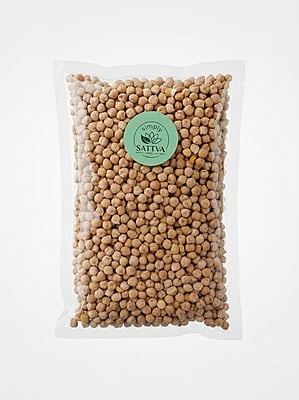
Kabuli Chana (Garbanzo) 2LB
Product Details
Product Details & Key Benefits
Extra Large Grain Size: Superior-grade chickpeas that expand beautifully when soaked, ensuring an even cook and a melt-in-your-mouth texture.
High-Protein Plant Power: An excellent source of clean, plant-based protein, dietary fiber, iron, and essential nutrients to support a balanced lifestyle.
Perfect Culinary Absorption: Meticulously dried to maintain an optimal moisture balance, allowing the chana to perfectly absorb aromatic spices, gravies, and tangy amchoor powder.
100% All-Natural Purity: Non-GMO, naturally gluten-free, and thoroughly sorted to remove any stones or debris, offering pure quality from the bag to your pot.
Convenient Pantry Size: The 2 lb packaging is perfect for keeping your dry groceries fresh, eliminating excess storage footprint while providing enough for multiple family meals.
How to Cook Tender Kabuli Chana (Keyword Enrichment Section)
Soak: Thoroughly rinse 1 cup of Kabuli Chana under running water. Soak in ample water for 8 to 10 hours or overnight. (Tip: Soaking reduces cooking time and aids digestion).
Boil/Pressure Cook: Drain the soaking water. Place the chickpeas in a pressure cooker or instant pot with fresh water and a pinch of salt. Cook for 4–5 whistles (or about 30–40 minutes in a standard pot) until the grains are completely tender when pressed between your fingers.
Simmer: Add your cooked chickpeas directly into your prepared tomato-onion gravy, simmer with traditional spices, and garnish with fresh coriander to serve.
What is the difference between Kabuli Chana and Kala Chana? Kabuli Chana (White Chickpeas) features a larger size, a smooth cream-colored skin, and a milder, creamier flavor profile. Kala Chana (Bengal Gram) is smaller, has a dark brown, rough outer skin, a higher fiber content, and a much denser, earthier bite.
Do I need to add baking soda when boiling these chickpeas? Because our Kabuli Chana is sourced fresh from high-quality seasonal crops, it softens beautifully with standard overnight soaking. Adding baking soda is entirely optional and generally not required to achieve a perfectly tender texture.